
Introduction: The Importance of Ethics in Business
In today’s global marketplace, being ethical isn’t just a choice—it’s a necessity. Examples of strong business ethics show how integrity, honesty, and responsibility can lead to long-term success. Businesses that uphold moral principles build stronger reputations, loyal customers, and sustainable growth.
Ethics guide how a company interacts with employees, customers, suppliers, and society. Let’s explore ethical businesses, examples of corporate ethics, and how organizations can develop strong ethical foundations.
What Does It Mean to Be Ethical in Business?
So, what does it mean to be ethical in business? It means conducting operations with fairness, transparency, and accountability. Ethical businesses follow laws, respect human rights, and prioritize sustainability over short-term profits.
Ethical behavior extends to:
- Fair employee treatment (wages, safety, non-discrimination)
- Honest marketing practices (avoiding misrepresentation)
- Environmentally responsible operations (reducing harm)
- Respecting customer privacy (data security)
- Avoiding corruption and exploitation (bribery, unfair labor)
These values shape what is an ethical organization and define its long-term success.
What Is an Ethical Organization?
An ethical organization integrates moral values into every aspect of its decision-making process. Such companies emphasize fairness, respect, and transparency both internally and externally.
Characteristics of an ethical organization include:
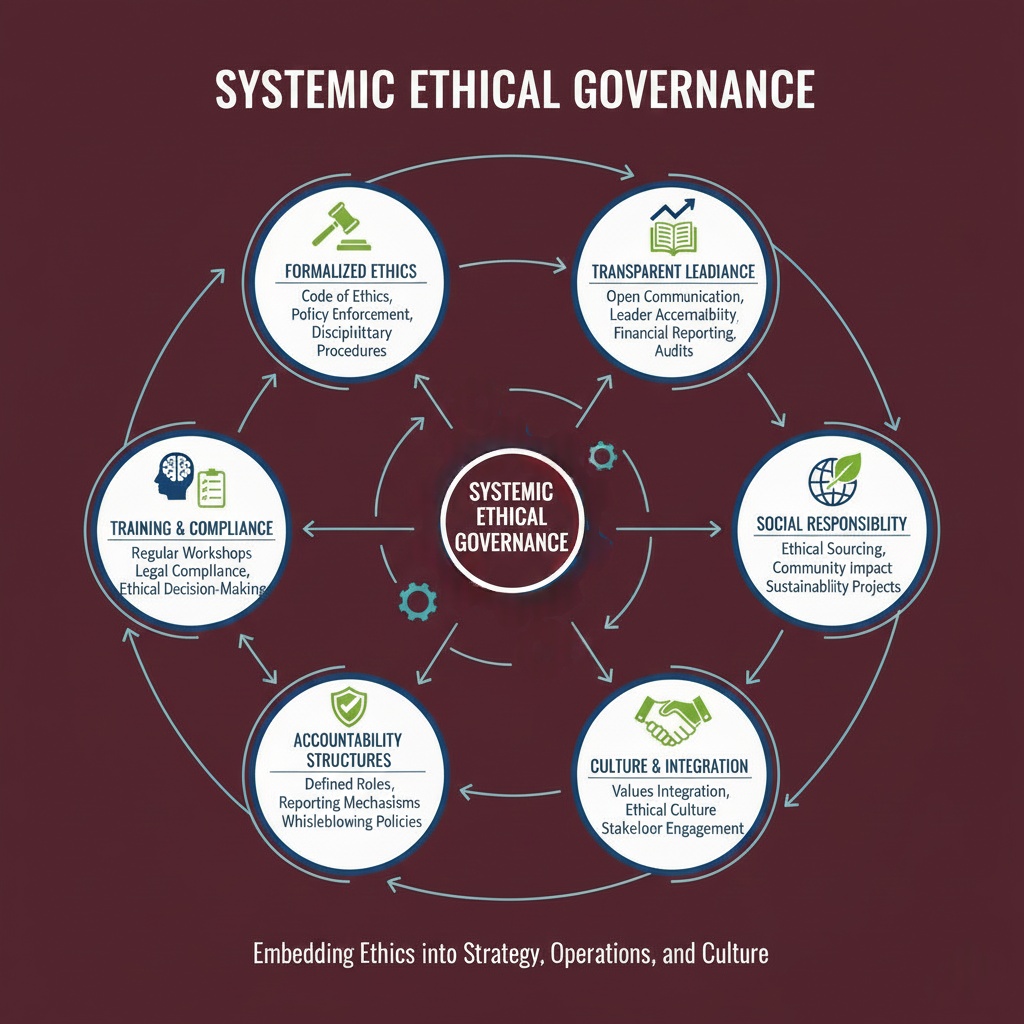
- Formalized Code of Ethics and Policy Enforcement Systems
- Training programs on ethical behavior and compliance
- Transparent leadership and accountability, Transparent Financial Reporting and Accountability Structures
- Commitment to social responsibility and ethical sourcing
- Support for community and sustainability projects
Successfully embedding these characteristics requires a systematic approach to governance.
Types of Business Ethics
Understanding the types of business ethics helps companies apply them in daily operations. They can be divided into several categories:
- Corporate Governance Ethics: Ensuring leadership integrity and accountability.
- Environmental Ethics: Promoting sustainability and reducing ecological harm.
- Workplace Ethics: Maintaining equality, diversity, and safety for employees.
- Customer Relations Ethics: Prioritizing honesty in product claims and services.
- Social Responsibility Ethics: Supporting community welfare and ethical sourcing.
Each type forms a vital part of an organization’s ethical structure.
Ethical Standards of Business
Ethical standards of business refer to principles that guide company actions. These standards ensure fair dealings, respect for stakeholders, and compliance with laws.
Common ethical standards include:
- Integrity: Acting with honesty in all dealings.
- Accountability: Taking responsibility for decisions and actions.
- Fairness: Treating everyone equally.
- Transparency: Maintaining openness with stakeholders regarding operations and finances.
- Respect: Valuing people, culture, and the environment.
Companies that adopt these standards create ethical organizational cultures that inspire trust.
Ethical Organisational Culture
An ethical organisational culture is built through consistent values, open communication, and strong leadership. This culture promotes moral decision-making and discourages unethical behavior.
Ways to develop an ethical culture include:
- Defining clear, actionable company values
- Encouraging whistleblowing through protected, non-retaliatory channels.
- Recognizing and rewarding ethical employees
- Providing regular, mandatory ethics and compliance training.
- Leading by example from the top management
Such an environment fosters ethical behaviour examples that employees emulate naturally.
Ethical Behaviour Examples in Business
Ethical behaviour examples in business illustrate good company conduct and what is an ethical business practice:
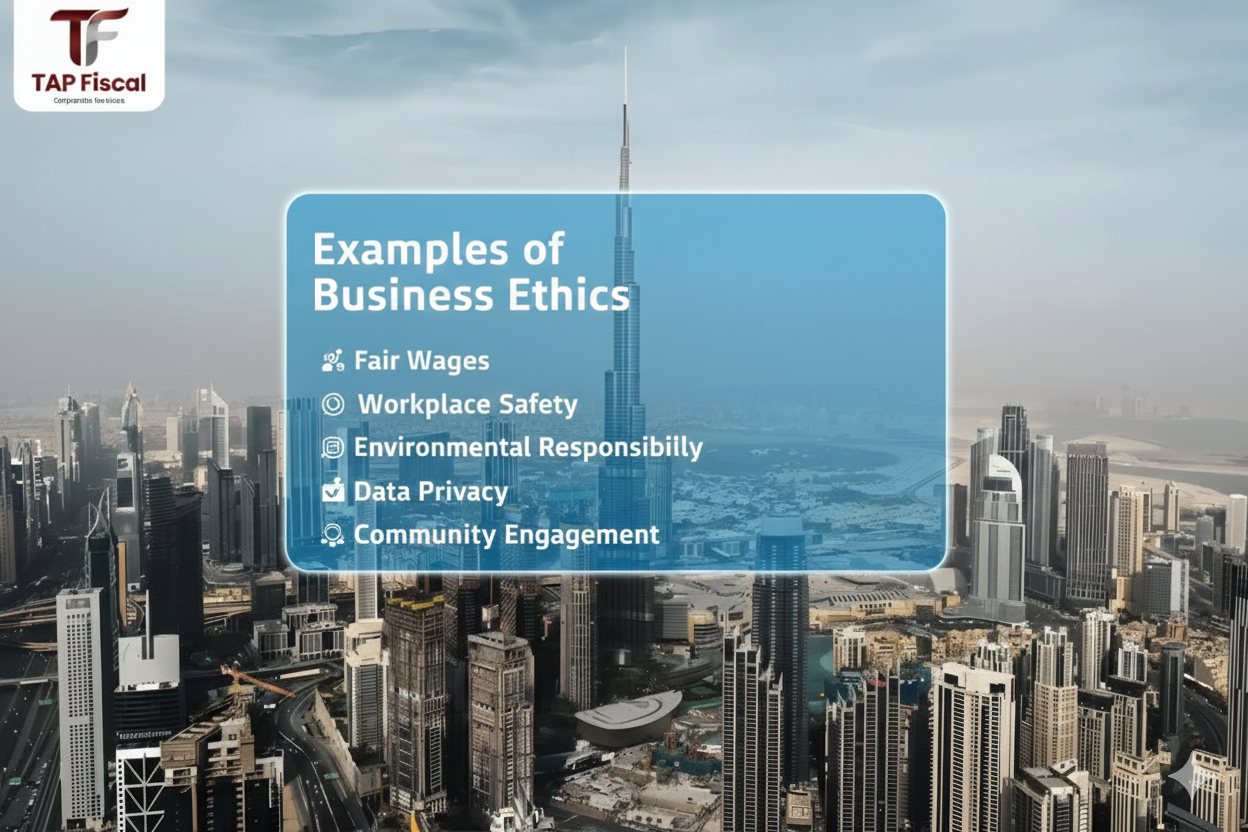
- Paying fair wages and providing safe, healthy working conditions
- Avoiding false advertising or product misrepresentation
- Using eco-friendly materials and actively reducing operational waste
- Respecting data privacy and customer rights, exceeding minimum legal requirements.
- Being transparent in pricing and supply chain operations
These ethical business practice examples build trust with clients and enhance brand credibility.
Corporate Ethics Examples
Corporate ethics examples highlight how organizations can uphold strong moral values while achieving profitability.
- Companies aggressively reduce carbon footprints through sustainable production or carbon offset programmes.
- Organizations donate a substantial portion of profits or employee time to social causes and community welfare.
- Firms prioritize employee mental health, offering generous family leave and ensuring fair labor standards globally.
- Businesses ensure suppliers follow strict ethical sourcing guidelines and fair trade partnerships.
Such initiatives show that profitability and ethics can coexist harmoniously.
Good Company Ethics: Why They Matter
Companies known for good company ethics attract loyal customers, motivated employees, and strong partnerships. Ethical reputation reduces legal risks and strengthens stakeholder confidence. Ethics aren’t just moral principles—they’re strategic advantages and benefits of being ethical in Business.
| Ethical Practice | Direct Business Benefit | Risk Mitigation |
Integrity & Transparency | Better brand image and customer trust | Reduced risk of lawsuits/penalties |
Fair Employee Treatment | Improved employee satisfaction and retention | Lower turnover costs |
| Fiscal Accountability | Easier access to investors and funding | Prevention of financial misconduct |
| Sustainability Focus | Long-term financial growth and resilience | Avoidance of regulatory fines |
Ethics aren’t just moral principles—they’re strategic advantages.
Example of Business Ethics Issues
Every organization faces ethical dilemmas. Understanding common issues helps identify and resolve them effectively. Successfully navigating these issues requires robust fiscal governance and transparent reporting systems
Business Ethics with Examples helps professionals understand real-world dilemmas:
- Business ethics with examples in real life include a manager who reports financial misconduct to ensure accountability.
- A retailer reducing plastic packaging promotes environmental responsibility.
- A company that refuses to sell harmful products despite profit loss demonstrates integrity.
Common ethical issues include: Conflicts of Interest, Data Misuse, Exploitation, Environmental Negligence, and Misleading Practices.
By addressing these issues transparently and systematically, businesses reinforce ethical credibility.
Ethical Business Values
Ethical Business Values form the foundation of any responsible organization and are essential in understanding what it means to be an Ethical Business. These values inspire consistency, transparency, and long-term success.
Common values, which define What Is an Ethical Business Practice?, include:
- Honesty: Communicating truthfully with all stakeholders.
- Responsibility: Owning up to decisions and actions.
- Sustainability: Protecting the planet for future generations.
- Compassion: Valuing people over profits.
- Commitment: Upholding promises and ethical duties.
Embedding these values is crucial to realizing the Benefits of Being an Ethical Business, and they guide the systematic approach for How to Build an Ethical Organization, ensuring every decision reflects integrity and moral strength.
Conclusion: The Power of Ethics in Business Success
An example of business ethics proves that integrity and success go hand in hand. Ethical businesses not only drive profits but also contribute to a fairer, more sustainable world. By maintaining honesty, transparency, and responsibility, companies secure both trust and long-term prosperity.
To translate these principles into actionable reality, organizations need robust infrastructure for governance, compliance, and transparent reporting. That’s where TAP Fiscal comes in.
We provide the fiscal compliance solutions, automated ethical auditing, and governance frameworks required to embed these ethical business values into your financial operations—ensuring sustainability, reducing risk, and securing trust in the UAE and beyond. Start your ethical compliance audit with TAP Fiscal today.
Frequently Asked Questions
What is an ethical business?
An ethical business operates based on honesty, fairness, and integrity. It ensures transparency in all dealings, treats employees and customers with respect, and prioritizes social and environmental responsibility. Such companies follow moral principles that align profits with positive societal impact and sustainable growth.
Why are ethical businesses important?
Ethical businesses are crucial because they build trust among consumers, employees, and investors. They promote fairness, reduce corruption, and encourage accountability. By prioritizing long-term sustainability over short-term gain, ethical organizations contribute to economic stability, social welfare, and environmental preservation, setting positive examples across industries.
What are some examples of ethical business practices?
Ethical business practices include fair wages, non-discriminatory hiring, honest advertising, sustainable production, and responsible sourcing. Other examples involve ensuring workplace safety, protecting customer data, and avoiding exploitative practices. These behaviors create credibility, foster employee loyalty, and strengthen customer trust—key elements for long-term business success.
Real-world examples of ethical companies?
Ethical companies are those that adopt transparency, fair labor standards, and sustainability goals. Many prioritize renewable energy, diversity, and community initiatives. For example, firms that reduce plastic usage, provide equal pay, or engage in charitable programs represent strong real-world examples of ethical corporate responsibility.
How can small businesses be ethical?
Small businesses can be ethical by creating fair policies, maintaining honest pricing, and engaging with their communities responsibly. They should treat employees with respect, source materials ethically, minimize waste, and communicate transparently with customers. Even small acts of integrity can build strong reputations and customer loyalty.
How does being ethical benefit a business?
Being ethical enhances a company’s reputation, attracts loyal customers, and increases employee satisfaction. It reduces legal risks and builds investor confidence. Ethical behavior also encourages innovation, improves stakeholder relationships, and ensures long-term sustainability—making it a strategic advantage in competitive markets rather than just a moral choice.
Are ethical businesses profitable?
Yes, ethical businesses are often highly profitable. Companies that operate with integrity gain loyal customers, motivated employees, and trusted partnerships. Ethical practices reduce risks, prevent costly scandals, and enhance brand reputation. Over time, the trust and goodwill earned through ethics translate into steady, sustainable profitability.
How can a business ensure it is ethical?
A business can ensure ethical operations by developing a clear code of conduct, training employees, and fostering transparent communication. It should implement accountability systems, audit practices regularly, and reward integrity-driven actions. Leadership commitment and consistent enforcement of ethical standards are key to maintaining an ethical organization.