
Introduction: Why Start a Grocery Store in Dubai?
Dubai’s rapidly growing population and thriving retail sector make it a prime location for entrepreneurs. With thousands of residents and expats depending on local shops for daily essentials, investing in a grocery store in Dubai, UAE, offers a stable and profitable business opportunity.
Whether you’re a first-time investor or an experienced retailer, understanding the full grocery store startup costs, legal procedures, and specialized licensing requirements is essential for success. This guide explains everything you need to know about how to open a grocery store in Dubai efficiently and legally in 2025.
1. Market Potential for Grocery Stores in Dubai
Dubai’s grocery industry continues to thrive due to:
- A diverse population with high purchasing power
- Increasing demand for convenience, specialty goods (organic/imported), and online delivery services.
- A steady flow of tourists and business professionals
- Government support for small retail ventures
These factors ensure that even small neighborhood stores can achieve impressive revenue growth through high foot traffic and repeat business.
2. How to Open a Grocery Store in Dubai

If you’re wondering how to open a grocery store in Dubai, the process involves careful planning and compliance with local business laws. Here’s a step-by-step breakdown:
Step 1: Business Plan & Jurisdiction
Prepare a detailed business plan.
Crucially, select the Mainland (DET) jurisdiction. This setup is mandatory for full retail freedom across the city, allowing direct sales to all residents.
Step 2: Choose and Secure Location
- Rent a strategic retail space (shop) and finalize the tenancy contract.
- The signed contract and its registration, known as Ejari, are mandatory prerequisites before the license application can proceed.
Step 3: Trade Name & Initial Approval
- Register a trade name that reflects your brand with the Department of Economy and Tourism (DET).
- Obtain Initial Approval from DET to officially proceed with external permits.
Step 4: Obtain Additional Approvals (The Compliance Core)
- This is the most complex phase. Secure mandatory permits from the Dubai Municipality for food safety, hygiene standards, and the physical layout of the shop.
- You also require approvals from the Civil Defense (Fire Safety).
Step 5: Apply for Trade License
Only after the location and Municipality requirements are fully confirmed can you apply for the Commercial Trade License (Retail Food Activity) from the DET. The license is issued once all external prerequisites are met.
Step 6: Setup & Hire
- With the license secured, you can proceed to equip your store (e.g., cooling units, POS systems).
- Hire staff and ensure your team obtains relevant food handling and hygiene certificates.
Step 7: Stock Products
- Source inventory.
- If importing products, ensure they are registered with the Dubai Municipality (Food Import Registration System – FIRS) and comply with all UAE labeling and testing standards.
3. Grocery Store Startup Costs in Dubai (2025 Estimated Investment)
Understanding the grocery store startup costs helps in effective financial planning. The total investment for a small to medium-sized Mainland grocery store ranges from AED 150,000 to over AED 350,000, depending heavily on the location and fit-out.
Estimated Startup Costs Include:
| Trade License and Registration | 18,000 – 35,000+ | Includes DET license, Chamber of Commerce fees, and initial approvals. |
| Dubai Municipality Permits | 2,000 – 8,000 | Food safety, hygiene, and layout assessment approvals. |
| Shop Rent (Annual) | 75,000 – 150,000+ | Highly variable. Prime residential areas (like Al Barsha, Jumeirah) are at the higher end. |
| Mandatory Market Fees | 2.5% to 5% of Rent | An annual government fee calculated based on your Ejari (lease value). |
| Fit-out and Equipment | 50,000 – 100,000 | Shelving, freezers, refrigerators, AC upgrades, and POS systems. |
| Initial Inventory Stock | 50,000 – 100,000 | Stock is based on store size and product diversity. |
| Visa Costs (Investor + 2 Staff) | 15,000 – 25,000 | Includes staff visas, Emirates ID, and medical testing. |
Average Total Estimated Cost: AED 260,000 – AED 550,000 (excluding 6 months of operational buffer)
4. Requirements for Opening a Grocery Store in Dubai
Fulfilling the requirements for opening a grocery store in Dubai is vital to operate legally. Key requirements include:
- Obtaining a trade license under the retail category.
- Approval from the Dubai Municipality for food handling and hygiene standards.
- Valid tenancy contract and Ejari registration.Compliance with UAE Labor Laws for staff employment.
- VAT Registration (mandatory if annual turnover exceeds AED 375,000).
These regulations ensure safety, transparency, and customer protection.
5. Documents Required to Open a Grocery Store in Dubai

To streamline the setup process, prepare the documents required to open a grocery store in Dubai in advance:
- Passport copies of all shareholders
- Passport-sized photographs
- Business plan and trade name reservation certificate
- Tenancy contract and Ejari
- No Objection Certificate (NOC) from sponsor (if applicable)
- Initial approval form from DET
- Food safety and hygiene compliance certificates
- Copy of the Memorandum of Association (MOA)
6. Choosing the Right Location
Location is one of the most crucial factors in determining your grocery store’s success. Ideal locations include:
- Residential neighborhoods with high population density
- Near schools, offices, or apartment complexes
- In high-footfall zones like Al Barsha, Jumeirah, or Deira
A convenient location increases customer retention and profitability.
7. Cost of Licenses and Permits
The license required for a grocery store in Dubai is typically a commercial trade license.
Cost Breakdown:
- Trade license fee: AED 12,000 – AED 15,000
- Municipality food permit: AED 2,000 – AED 8,000(layout, food safety)
- Chamber of Commerce/Commercial Fees: AED 2,000 – 5,000
- Municipality Market Fees: 2.5% to 5% of Annual Rent (Mandatory Mainland Fee).
- Additional permits (if selling imported goods): AED 1,000 – AED 3,000
8. Operational Costs and Recurring Expenses
Monthly operating expenses are significant: shop rent, utility bills, inventory restocking, employee salaries, and regular maintenance (especially refrigeration units).
9. Profitability of a Grocery Store in Dubai
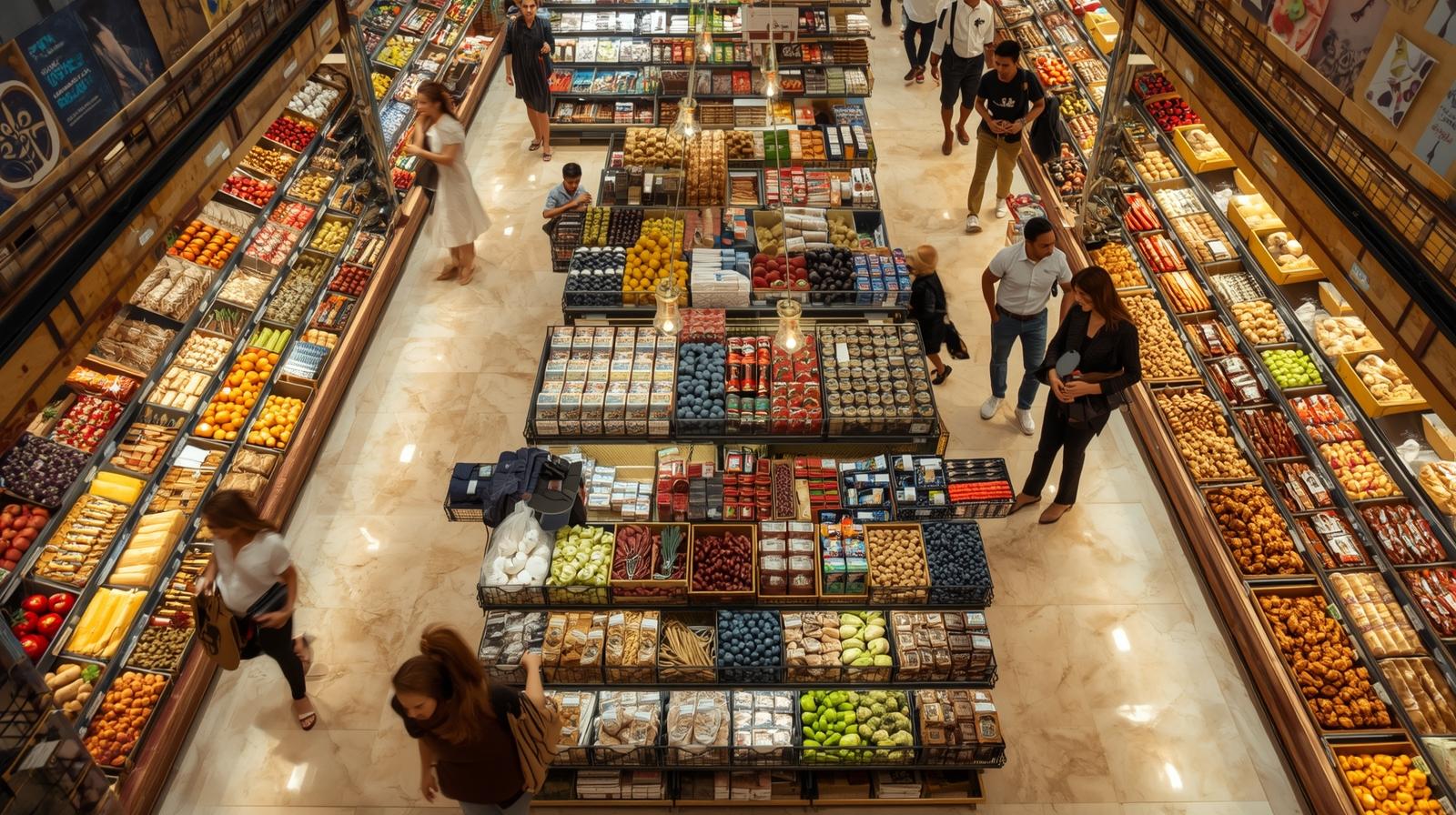
Despite initial setup expenses, a grocery store in Dubai UAE can generate steady revenue due to consistent demand.
Profit Margins Typically Range Between:
- 15% to 25% on daily essentials
- Up to 40% on premium or imported products
Providing excellent service, competitive pricing, and clean store conditions can boost profitability.
10. Common Challenges in Running a Grocery Store
While opening a grocery store is rewarding, challenges include:
- Managing inventory and reducing wastage
- Meeting hygiene and food safety standards
- Competing with larger supermarket chains
- Adapting to online shopping trends
By focusing on customer experience and efficient supply chain management, you can overcome these challenges.
11. Tips for Success in Dubai’s Grocery Market
- Offer diverse product categories (local, imported, organic).
- Introduce loyalty programs and delivery services.
- Maintain transparent pricing and frequent stock updates.
- Embrace digital tools for inventory and accounting.
- Build relationships with reliable suppliers.
Following these strategies will help you thrive in Dubai’s competitive retail environment.
12. Why Dubai Is Ideal for Grocery Entrepreneurs
Dubai’s government supports entrepreneurs through simplified licensing, year round tourism, strong consumer spending power, and modern infrastructure. The city’s growing population, multicultural demographic, and tourism industry create constant demand for groceries and consumer goods, making it one of the best markets for small retail ventures.
13. How Tap Fiscal Can Help You
Starting a grocery store involves complex steps—licenses, documentation, and compliance approvals. Professional assistance ensures smooth execution.
TAP Fiscal specializes in helping entrepreneurs navigate the UAE’s business setup process, particularly for Mainland Retail businesses. We provide:
- Accurate Cost Planning: Transparent breakdowns of all fees, including hidden costs like Market Fees and deposits.
- Compliance Management: Expert guidance through the mandatory DET and Dubai Municipality approval processes (Food Control, layout assessment).
- Documentation & Submission: Handling all required paperwork, Ejari registration, and staff visa applications.
Conclusion: Start Your Grocery Business with Confidence
Opening a grocery store in Dubai UAE is a smart, profitable investment if managed strategically. By understanding the grocery store startup costs, requirements for opening a grocery store in Dubai, and necessary documents required to open a grocery store in Dubai, you can set up your business efficiently.
With the right planning and expert compliance assistance from TAP Fiscal, you can confidently launch your dream grocery store and successfully tap into Dubai’s thriving retail market.
Would you like TAP Fiscal to provide a custom cost breakdown for your target grocery store location and size?
Frequently Asked Questions
How much does it cost to open a grocery store in Dubai?
Opening a grocery store in Dubai typically costs between AED 260,000 and AED 550,000. This includes trade license fees, rent, equipment, inventory, and staffing. The exact amount depends on the store’s location, size, and product range. Planning your budget carefully helps ensure profitability from the start.
What are the major expenses involved?
Major expenses include trade license fees, shop rent, interior setup, initial inventory, employee salaries, and utility deposits. Other significant costs are marketing, point-of-sale systems, and equipment like freezers or shelves. These combined costs form the foundation of your grocery store startup costs in Dubai.
Do I need a trade license to start a grocery store?
Yes, obtaining a commercial trade license is mandatory to operate a grocery store in Dubai. The license authorizes you to sell food and consumer goods legally. It is issued by the Department of Economy and Tourism (DET), and additional approvals may be required from Dubai Municipality.
Which is cheaper: mainland or free zone setup?
Generally, setting up in a free zone may have lower initial costs, but a mainland setup offers more flexibility for direct retail sales. Free zones limit direct selling to UAE residents, while mainland businesses can serve all markets. Your choice should depend on your target audience and business goals.
What are the recurring monthly expenses?
Monthly expenses include rent, utility bills, staff salaries, inventory replenishment, and maintenance costs. Other recurring costs are marketing campaigns and software subscriptions for accounting or stock management. Efficient expense tracking ensures better cash flow management for your grocery store in Dubai, UAE.
Is a grocery store profitable in Dubai?
Yes, grocery stores in Dubai are profitable due to steady demand for daily essentials. Average profit margins range between 15%–25%, depending on product type and location. Stores that maintain competitive pricing, excellent hygiene, and customer loyalty programs tend to perform significantly better financially.
Do grocery stores in Dubai need to register for VAT?
Yes, if your store’s annual turnover exceeds AED 375,000, VAT registration is mandatory under UAE law. Registered stores must charge 5% VAT on taxable products and submit regular tax returns. This helps ensure compliance and transparency in business operations across Dubai’s retail market.
What are the hidden costs new owners often miss?
New grocery owners often overlook costs like store maintenance, signage approvals, municipality inspections, staff visa renewals, and insurance. Additionally, marketing, refrigeration maintenance, and occasional government renewals can add up. Factoring in these hidden expenses prevents unexpected financial strain after setup and ensures smoother operations.